
What are fibroids?
Fibroids (also called uterine leiomyomas) are non-cancerous growths that develop in or on the muscular wall of the womb. They are extremely common: up to 70-80% of women develop fibroids by age 50, though many never know because fibroids often cause no symptoms at all.
Fibroids range in size from a few millimetres to the size of a melon. You can have one or several. They are almost never cancerous (malignant transformation occurs in less than 0.1% of cases).
Types of fibroids
Where the fibroid grows determines what symptoms it causes.
Submucosal fibroids
These grow into the womb cavity. Even small submucosal fibroids can cause heavy periods and bleeding between periods because they distort the womb lining. They can also affect fertility by interfering with implantation.
Intramural fibroids
These grow within the muscular wall of the womb. These are the most common type. Large intramural fibroids can cause heavy periods, pelvic pressure, and pain.
Subserosal fibroids
These grow on the outer surface of the womb. They are less likely to affect periods but can cause pressure symptoms (bloating, urinary frequency, constipation) if they grow large enough to press on nearby organs.
Pedunculated fibroids
These grow on a stalk, either inside the womb cavity or on the outer surface. These can occasionally twist on their stalk (torsion), causing sudden pain.
Symptoms
Many fibroids cause no symptoms and are discovered incidentally during a scan for something else. When symptoms occur, they typically include:
- Heavy periods (menorrhagia) with flooding, clots, or periods lasting more than 7 days.
- Bleeding between periods.
- Pelvic pain or a feeling of pressure in the lower abdomen.
- Frequent urination or difficulty emptying the bladder (if a fibroid presses on the bladder).
- Constipation (if a fibroid presses on the bowel).
- Pain during sex.
- Lower back pain.
- A visibly enlarged abdomen in cases of very large fibroids.
The severity of symptoms does not always correlate with fibroid size. A small submucosal fibroid can cause worse bleeding than a large subserosal one.
Diagnosis
Consultation
Dr Hikmat Naoum, Consultant Gynaecologist (MRCOG), will take a detailed history of your symptoms and perform a pelvic examination. Fibroids can sometimes be felt during examination, particularly if they are large.
Pelvic ultrasound
A transvaginal ultrasound is the primary investigation. It identifies the number, size, location, and type of fibroids. Ultrasound is available on the same day as your consultation in most cases. Results are immediate.
Further imaging
If ultrasound suggests a complex picture (multiple fibroids, very large fibroids, or fibroids near the bowel or bladder), MRI may be recommended for more detailed mapping before planning treatment. MRI is arranged at a partner imaging centre.
Treatment
Treatment depends on your symptoms, the size and location of the fibroids, your age, and whether you want to have children in the future.
No treatment (watchful waiting)
If fibroids are small and not causing symptoms, no treatment is needed. Regular monitoring with ultrasound (every 6-12 months) tracks any changes. Many fibroids remain stable for years. After menopause, fibroids typically shrink as oestrogen levels fall.
Medical treatment
Hormonal treatments can reduce bleeding and shrink fibroids. Options include tranexamic acid (reduces heavy bleeding without affecting the fibroid itself), the Mirena coil (thins the womb lining and reduces menstrual blood loss), the combined pill (regulates cycles), and GnRH analogues (temporarily shrink fibroids by lowering oestrogen, used as a short-term measure or before surgery).
Surgical treatment
Surgery is recommended when fibroids cause significant symptoms that do not respond to medication, when they are affecting fertility, or when they are very large.
Myomectomy removes the fibroids while preserving the womb. This is the preferred option for women who want to have children. It can be performed laparoscopically (keyhole), hysteroscopically (through the cervix, for submucosal fibroids), or as open surgery depending on the size and location.
Hysterectomy removes the womb entirely and is a definitive treatment. It is considered when fibroids are very large, numerous, or recurrent, and the woman does not wish to have children.
Dr Naoum performs laparoscopic myomectomy and hysteroscopic fibroid removal at a private hospital under his admitting rights. For more complex cases, he will discuss the surgical approach with you and, if needed, coordinate with other specialists.
Fibroids and fertility
Most fibroids do not affect fertility. Submucosal fibroids (those growing into the womb cavity) are the most likely to interfere with conception and implantation. Removal of submucosal fibroids can improve fertility outcomes.
If you have fibroids and are trying to conceive, Dr Naoum can assess whether the fibroids are likely to be affecting your chances and recommend treatment if appropriate. A fertility assessment alongside fibroid management can give you a complete picture.
Fibroids and menopause
Fibroids are oestrogen-dependent. After menopause, when oestrogen levels drop, most fibroids shrink and symptoms improve. If you are close to menopause and your symptoms are manageable, watchful waiting may be the best strategy.
However, HRT (which provides oestrogen) can sometimes cause existing fibroids to grow or new ones to develop. If you are on HRT and notice worsening symptoms, an ultrasound to check fibroid size is recommended.
Any new growth in a fibroid after menopause should be investigated to rule out the rare possibility of a uterine sarcoma.
What to expect at your appointment
Your first appointment is a consultation with Dr Naoum (£250). A pelvic ultrasound (£450 all-in, including £250 consultation and £200 ultrasound fee) is usually done on the same day. Dr Naoum will explain the number, type, and location of your fibroids and discuss monitoring, medical treatment, or surgery depending on your symptoms and goals.
Who carries out your fibroid assessment

Dr Hikmat Naoum
Consultant Gynaecologist
Dr Naoum is a highly experienced consultant with over 30 years of expertise in complex gynaecological procedures and general women's health.
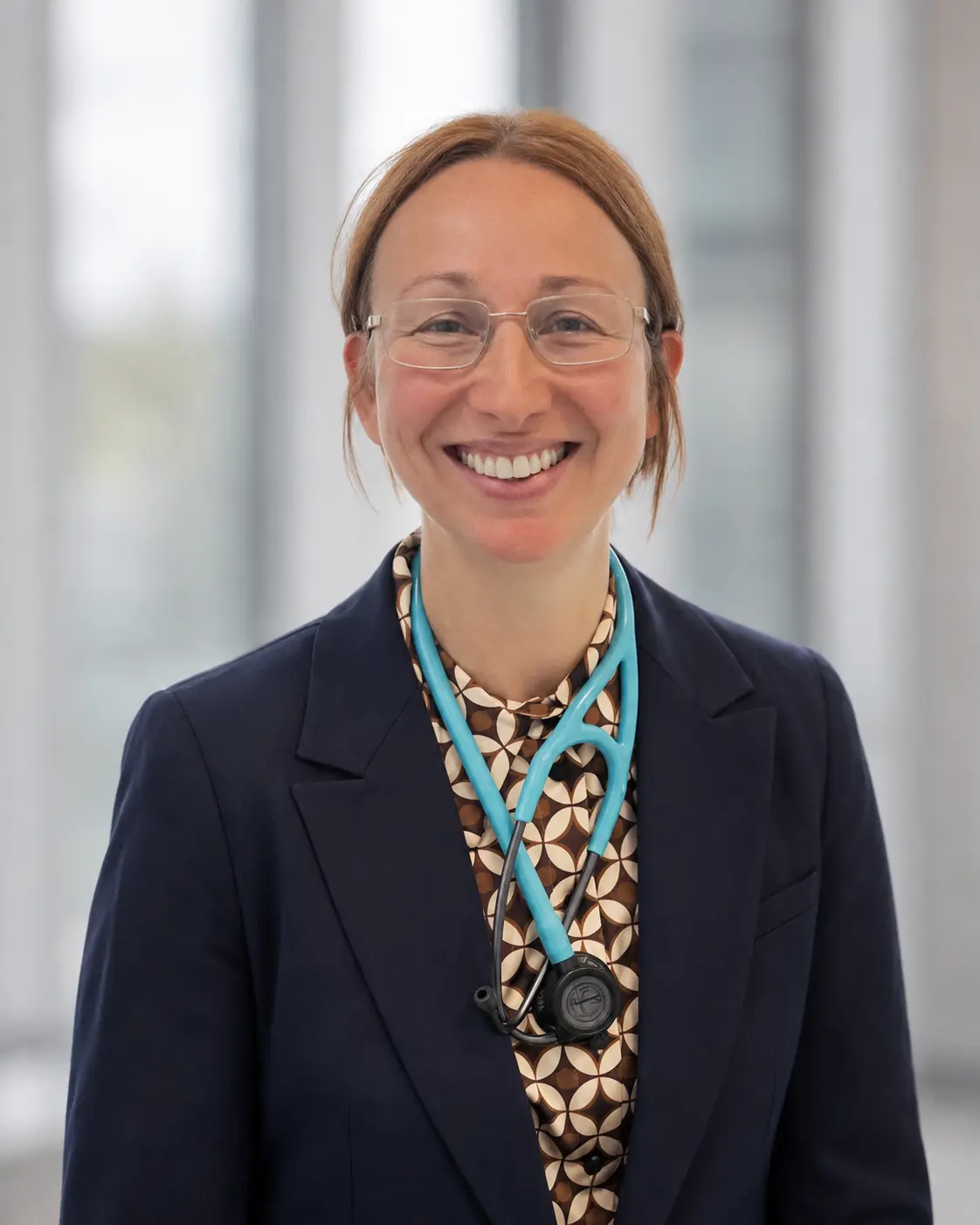
Dr Penny Sheehan
Women's Health GP
Dr Sheehan specialises in menopause management, contraception, and routine gynaecological screening.
Page reviewed by Dr Hikmat Naoum, Consultant Gynaecologist (GMC 3047637). Fibroid assessment and treatment planning are consultant-led.
Frequently asked questions
Book a consultation
If you have fibroid symptoms, or if you have been told you have fibroids and want a specialist assessment, call 020 7183 1049 or book online. Same-day ultrasound available. No GP referral needed.
Ground Floor, 117A Harley Street, Marylebone, London W1G 6AT
Book online